Temple College Preparatory School
S.T.E.A.M. PROGRAM
Taking STEM to the Next Level!
Professor: Dr. James E. Parris, Jr., RA, AIA, CGC, NCARB
STEAM: means Science, Technology, Engineering, Art and Mathematics
STEAM
Science: Studying the natural world through observation and experiments.
Technology: Using digital tools, software, and practical inventions.
Engineering: Designing and building solutions to real-world problems
Art: Integrating artistic concepts and practices into creative learning. Designs, architecture models, graphic or multimedia presentations.
Mathematics: Using numbers, logic, and formulas to analyze data.
The primary difference between STEAM and STEM lies in the inclusion of the arts. This addition transforms STEM into a more interdisciplinary approach to education, integrating artistic concepts and practices into traditional STEM subjects. By combining STEM disciplines with the arts, STEAM education prepares you for workplaces where creativity, critical thinking, and adaptability are valued traits across industries.
Those qualities are already valued now, but their value is only going to increase in the future. Why? Because AI (artificial intelligence) will ultimately eliminate millions of jobs unless you’re able to think outside the box. Incorporating arts into STEM helps students develop both the creative capacity and the essential soft skills to face those challenges head-on. STEAM ensures those students can thrive in dynamic workplaces and contribute meaningfully to innovation and progress. In other words, STEAM influences career paths by empowering you to develop a unique blend of technical expertise and essential soft skills.
And that combination of skill sets will be increasingly valuable in a future job market dominated by automation, AI, and other emerging technologies.
By integrating arts into STEM disciplines, a STEAM education offers a dynamic approach to learning that prepares students for the challenges and opportunities of the future.
STEAM Course Focus
- Hands-on activities
- Engaging technological dialogue
- Computer technology
- Robotics
- Art/graphic design
- Architecture and interior design
- Construction
- Engineering: civil, mechanical, plumbing, electrical
Engineering Disciplines
- Mechanical/HVAC Engineering
- Chemical Engineering
- Automotive Engineering
- Civil Engineering: Roadways, Bridges & Parking Lots
- Plumbing Engineering
- Electrical Engineering
- Fire Protection Engineering
- Hazardous Protection Engineering
- Computers Engineering
- Telecommunications Engineering
- Industrial Engineering
- Environmental Engineering
- Nuclear/Oil Engine Engineering
- Aerospace Engineering (Aviation)
Florida State College at Jacksonville
(Dual enrollment STEAM options)
A CTE class stands for a Career and Technical Education class. It is a course that teaches students practical, hands-on skills for specific jobs and trades.
What You Learn in a CTE Class
- Real-world skills: Training for specific industries like healthcare, computer technology, automotive repair, or culinary arts.
- Hands-on experience: Working with professional tools, software, and equipment instead of just reading textbooks.
- Workplace habits: Learning teamwork, problem-solving, time management, and communication.
Why CTE Classes Matter
- Career exploration: They let students try out a job field before graduating.
- Certifications: Many courses help students earn professional certificates or college credit while still in middle or high school.
- After school: They prepare students to go straight into the workforce, attend trade school, or college
ENGINEERING
Engineering is the discipline and profession that applies scientific theories, mathematical methods, and empirical evidence to design, create an analyze technological solutions. Engineering balances technical requirements with concerns and constraints on safety, human factors, physical limits, regulations, practicality, and costs - often at an industrial scale. Engineering is the broad application of science, math, and problem-solving to design, build, and maintain the structures, devices, and systems our world relies on.
The field is generally divided into several primary no core branches, along with many specialized sub-disciplines.
The Core Engineering Disciplines
- Mechanical Engineering: Focuses on physical machines, thermal devices, and moving systems, ranging from small sensors to large engines and robots.
- Civil Engineering: Deals with the design, construction, and maintenance of public and private infrastructure like bridges, roads, buildings, and water systems.
- Electrical Engineering: Involves the study and application of electricity, electronics, and electromagnetism to create everything from microchips to power grids.
- Chemical Engineering: Applies chemistry, physics, and biology to design large-scale processes for manufacturing chemicals, fuels, food, and pharmaceuticals.
- Industrial Engineering: Focuses on optimizing complex workflows, manufacturing systems, and operational efficiency.
Popular Specialized and Interdisciplinary Fields
- Aerospace Engineering: A specialty focused on designing and testing aircraft, satellites, and spacecraft.
- Biomedical Engineering: Integrates biology and medical sciences with engineering principles to develop healthcare tools, prosthetics, and medical devices.
- Computer Engineering: Combines electrical engineering and computer science to design hardware components, processors, and integrated digital systems.
- Environmental Engineering: A specialized branch focusing on protecting natural environments, managing waste, and improving water and air quality.
What Computer Engineers Do
- Hardware Design: Build and test physical parts like microchips, processors, circuit boards, and memory devices.
- Software Development: Write code and build operating systems, applications, and firmware that make hardware function.
- System Integration: Connect physical components with software so devices work smoothly together.
Common Career Paths
- Embedded Systems Engineer: Program smart devices, medical equipment, and automotive systems.
- Hardware Engineer: Design and test physical computing infrastructure and processors.
- Network/Cybersecurity Engineer: Build and secure communication systems and data networks.
S.T.E.A.M. CURRICULUM
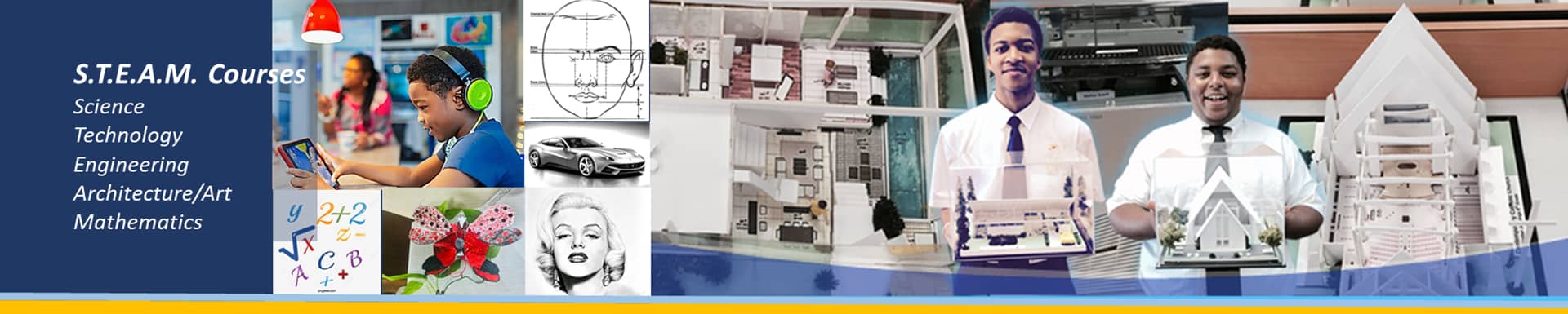
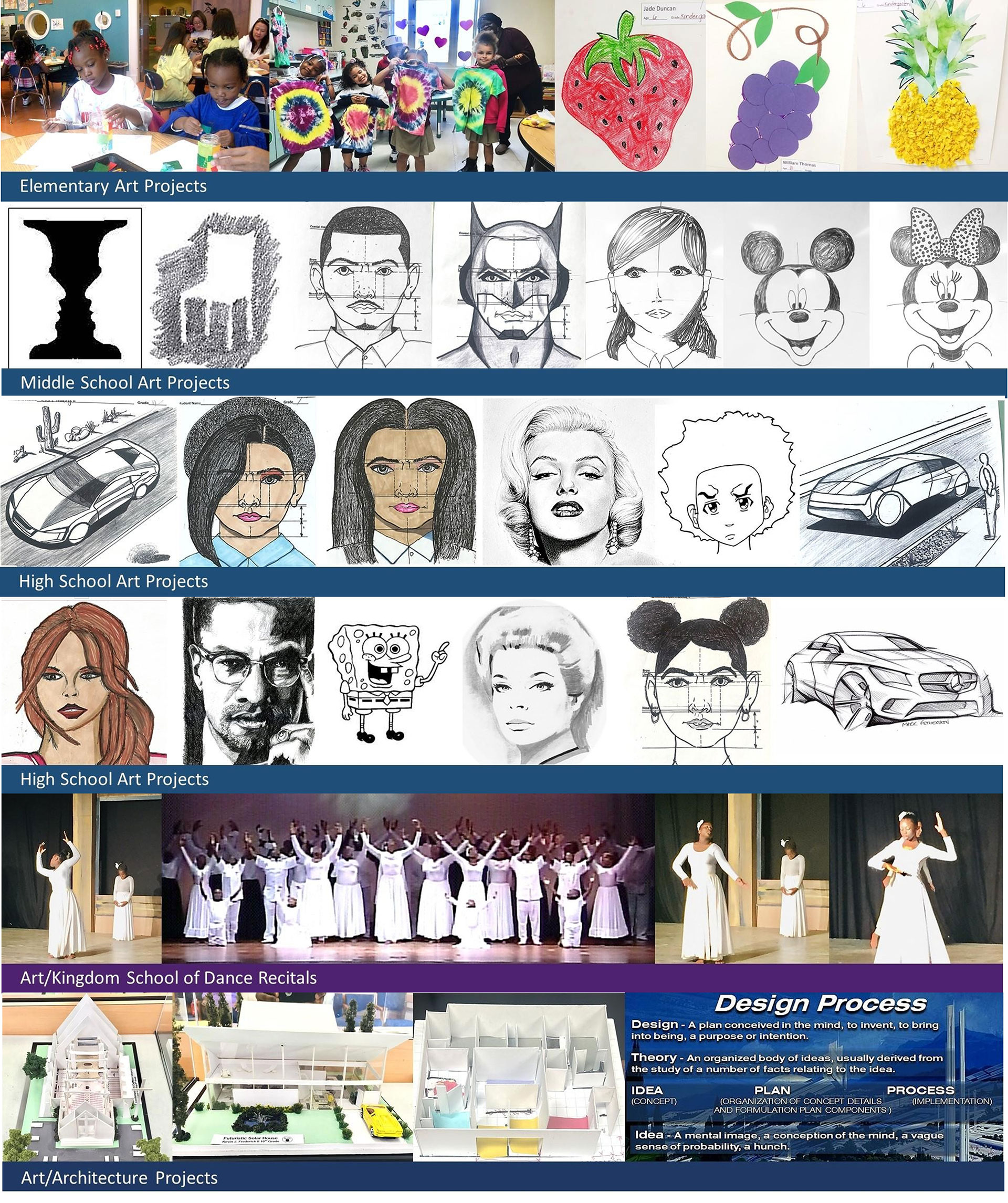
Temple College Preparatory School offers a unique Science Technology, Engineering, Architecture and Mathematics (STEAM) curriculum for kindergarten through 12th grade students. TCP has offered STEAM courses from 2008 to the present. Our unique STEAM courses include physics, chemistry, computer technology, mechanical, electrical and plumbing engineering, basic drawing, advanced art, architecture, dance, music, algebra and trigonometry. All of the STEAM instructors have a bachelor’s degree, doctorate degree or have extensive experience in their specific profession.
Student STEAM Projects Below
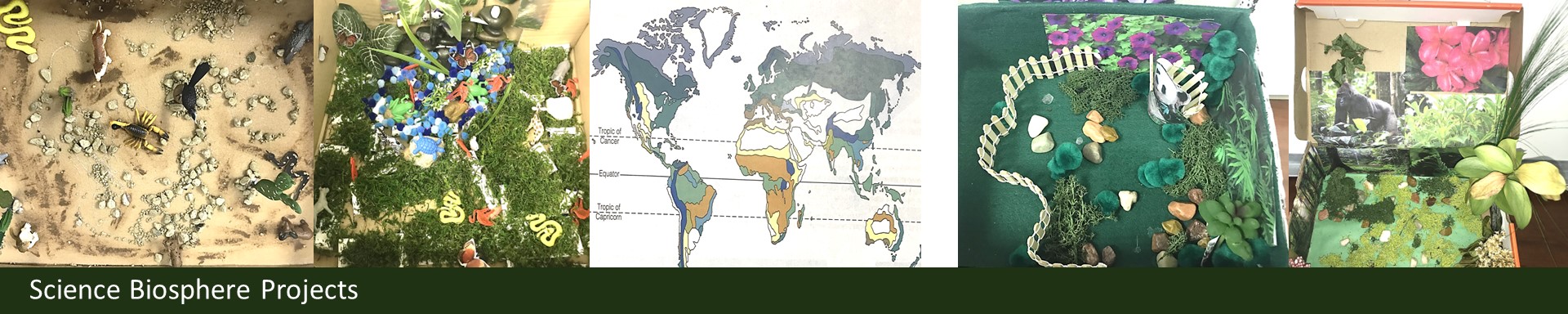
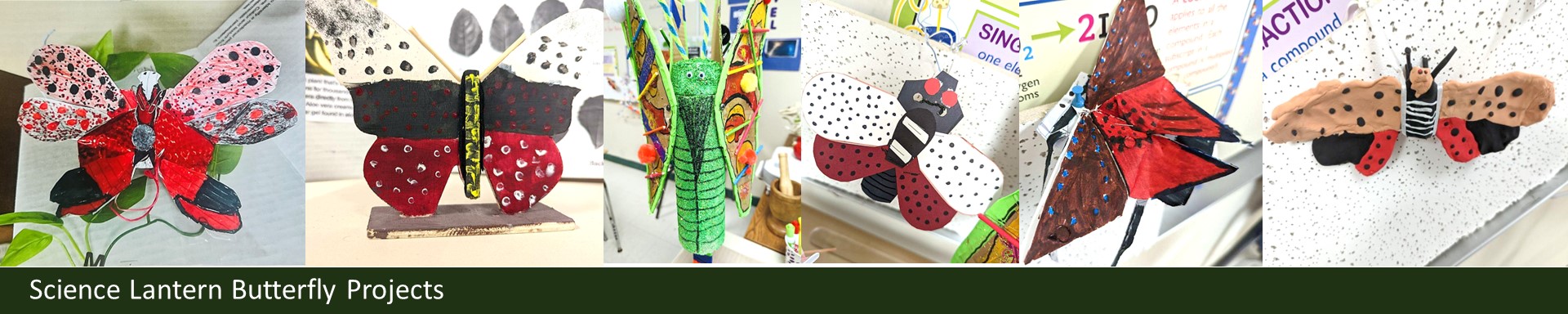
Science Category
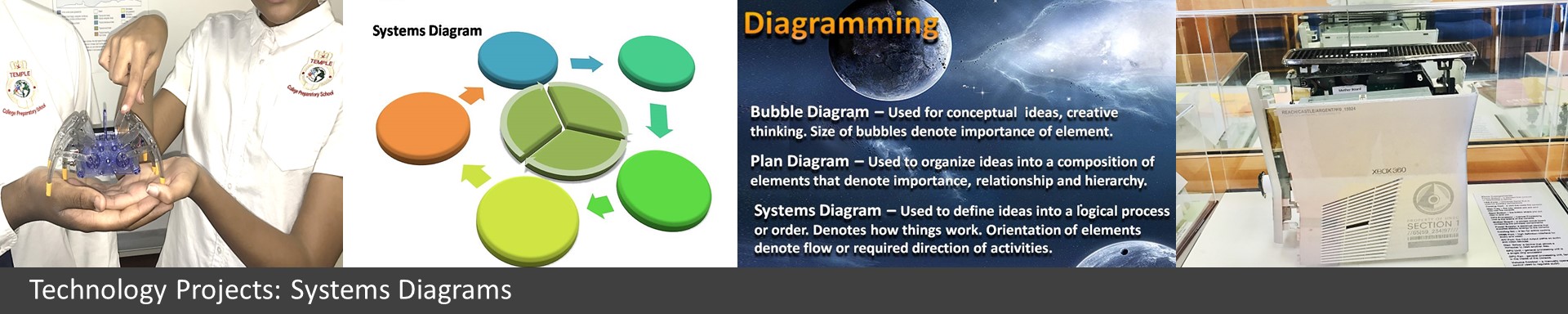
Technology Category
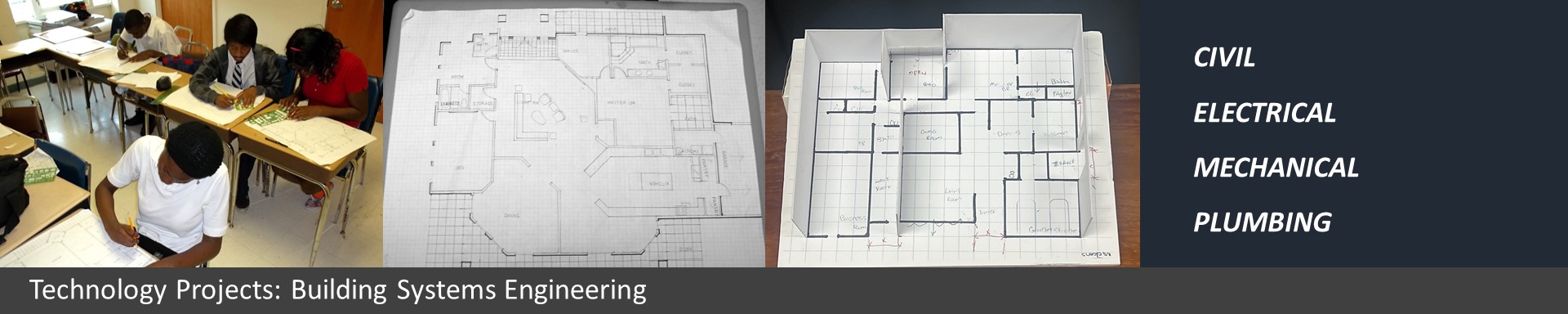
Engineering Category
Architecture/Art Category
Mathematics Category